
Blood Pressure Regulation: What Affects It & How to Support It
/
Blood pressure regulation is a complex process involving multiple bodily systems that work together to maintain a stable internal environment, ensuring adequate blood flow to organs and tissues.
Heart and blood vessels ensure that blood is efficiently circulated.
The nervous system provides rapid adjustments through baroreceptors and sympathetic/ parasympathetic signals.
The renal system adjusts blood volume over time, responding to sustained changes in pressure.
The endocrine system fine-tunes these adjustments through hormones like aldosterone, antidiuretic hormone, and atrial natriuretic peptide, affecting short-term and long-term pressure regulation.
The interaction between the cardiovascular, nervous, renal, and endocrine systems ensures that blood pressure remains within a healthy range, protecting vital organs and maintaining overall homeostasis.
Factors that can negatively affect blood pressure
Several factors can negatively affect blood pressure, leading to either hypertension (high blood pressure) or hypotension (low blood pressure). These factors range from lifestyle habits and environmental influences to medical conditions and genetic predispositions.
Lifestyle Factors
Dietary Habits
High salt (sodium) intake: Excessive salt in the diet leads to fluid retention, which increases blood volume and raises blood pressure. The kidneys struggle to excrete sodium efficiently, exacerbating the problem. Genetically, some people are more predisposed to this effect.
Excessive alcohol consumption: Drinking alcohol in excess can raise blood pressure by increasing the activity of the sympathetic nervous system and affecting the balance of hormones like aldosterone, which influences fluid retention.
Caffeine: For some individuals, high caffeine intake can cause temporary spikes in blood pressure due to increased heart rate and vasoconstriction.
Low potassium intake: Potassium helps balance the effects of sodium. A diet low in potassium can increase blood pressure, as the kidneys retain more sodium when potassium is insufficient.
Physical Inactivity
Lack of physical activity can lead to weight gain and poor cardiovascular fitness, both of which increase the risk of hypertension. Regular exercise helps to maintain healthy blood pressure by improving heart and vascular function.
Smoking and Tobacco Use
Nicotine in cigarettes causes the blood vessels to narrow (vasoconstriction), increasing blood pressure. Smoking also damages the walls of blood vessels, leading to atherosclerosis (hardening of the arteries), which further elevates blood pressure over time.
Excess body weight
Increases the workload on the heart, as it must pump more blood to supply oxygen and nutrients to a larger body mass.
Can lead to insulin resistance and increased levels of inflammatory substances, both of which contribute to hypertension.
Is often associated with other conditions, such as sleep apnoea and metabolic syndrome, which further exacerbate hypertension.
Stress and Mental Health
Chronic stress: Prolonged stress triggers the release of stress hormones like cortisol and adrenaline, which increase heart rate and cause blood vessels to constrict. Long-term exposure to stress can lead to persistent increases in blood pressure.
Anxiety and depression: These mental health conditions can influence blood pressure by affecting lifestyle choices (e.g., overeating, smoking) or directly altering autonomic nervous system function.
Medical Conditions
Chronic Kidney Disease (CKD)
The kidneys play a central role in regulating blood pressure by controlling fluid and electrolyte balance. When the kidneys are damaged, they may fail to properly regulate sodium and water excretion, leading to increased blood volume and hypertension.
Diabetes
Diabetes, particularly type 2 diabetes, is closely linked to high blood pressure. Elevated blood sugar levels can damage blood vessels, leading to stiffening and narrowing (atherosclerosis), which increases blood pressure.
Insulin resistance, common in diabetes, is associated with increased sympathetic nervous system activity, further raising blood pressure.
Sleep Apnoea
Sleep apnoea causes repeated interruptions in breathing during sleep, leading to oxygen deprivation. This triggers stress responses in the body, raising blood pressure through increased sympathetic activity and alterations in vascular function.
Both hyperthyroidism (overactive thyroid) and hypothyroidism (underactive thyroid) can negatively affect blood pressure:
Hyperthyroidism can lead to an increased heart rate and contractility, raising systolic blood pressure.
Hypothyroidism can cause stiffening of the blood vessels, leading to diastolic hypertension.
Medications and Substances
Non-Steroidal Anti-Inflammatory Drugs (NSAIDs)
Common pain relievers like ibuprofen can increase blood pressure by causing the kidneys to retain more sodium and water.
Oral Contraceptives
Hormonal contraceptives, especially those containing oestrogen, can lead to hypertension by causing the body to retain sodium and fluids, as well as increasing the production of certain hormones that constrict blood vessels.
Decongestants
Medications that contain pseudoephedrine or similar substances can raise blood pressure by narrowing blood vessels.
Recreational drugs
Drugs like cocaine and amphetamines can cause significant increases in blood pressure due to their stimulant effects on the cardiovascular system, leading to dangerous spikes in both heart rate and vascular resistance.
Age
As people age, the elasticity of blood vessels decreases. The stiffening of arteries, particularly the large arteries such as the aorta, contributes to an increase in systolic blood pressure. This is why isolated systolic hypertension (high systolic but normal diastolic pressure) becomes more common in older adults.
Genetics and Family History
A family history of hypertension increases the likelihood of developing high blood pressure. Genetic factors can influence the regulation of blood pressure through various mechanisms, including how the kidneys process sodium, the response of blood vessels to hormones, and the sensitivity of the nervous system to stimuli.
Hormonal Changes
Pregnancy: Some women may develop high blood pressure during pregnancy, a condition known as pre-eclampsia, which can pose risks to both mother and baby.
Menopause: Hormonal changes during menopause can affect blood pressure regulation, with many women experiencing a rise in blood pressure as they age. The drop in oestrogen levels can lead to increased stiffness of the arteries and changes in fat distribution, both of which can elevate blood pressure.
Environmental Factors
Cold temperatures: Exposure to cold can cause blood vessels to constrict, raising blood pressure.
Air pollution: Some studies suggest that long-term exposure to air pollutants may contribute to increased blood pressure due to inflammation and oxidative stress on the cardiovascular system.
Alcohol Withdrawal
Sudden cessation of heavy alcohol consumption can lead to a temporary but significant increase in blood pressure, which can be dangerous in some individuals.
Blood pressure is influenced by a wide range of factors, many of which can be modified through lifestyle changes. Diet, physical activity, and avoiding smoking and excessive alcohol can all help maintain healthy blood pressure levels. However, other factors like age, genetics, and certain medical conditions require careful monitoring and sometimes medical treatment to manage their impact on blood pressure effectively.
Ways to Support Optimal Blood Pressure
Maintaining optimal blood pressure is crucial for overall health and reducing the risk of cardiovascular disease, stroke, and other complications. There are several approaches that can support healthy blood pressure levels, many of which focus on lifestyle and dietary changes. You could assess markers linked to heart health using the Cardiovascular Inflammation Test (CIT) – Finger Prick Blood Test
Dietary Adjustments
Optimising Salt Intake
Excessive salt (sodium) in the diet is a potential contributor to high blood pressure. To support healthy blood pressure:
Avoid processed and packaged foods, as these are often high in sodium.
Use herbs and spices instead of salt to flavour food.
The effect of sodium consumption on the risk of elevated blood pressure can be checked with The ULTIMATE Methylation Genetic Test - 78 Gene Markers
Following the DASH Diet
The DASH diet (Dietary Approaches to Stop Hypertension) has been proven to lower blood pressure. It focuses on:
Fruits and vegetables: Rich in potassium, which helps balance the effects of sodium and lowers blood pressure.
Whole grains, nuts, seeds, and legumes: Provide fibre and magnesium, both beneficial for blood pressure control.
Low-fat dairy and lean sources of protein like fish, poultry, and plant-based proteins.
Increasing Potassium Intake
Potassium helps the kidneys excrete sodium and relaxes blood vessel walls, lowering blood pressure. Potassium-rich foods include:
Bananas, oranges, and apricots
Potatoes, spinach, and mushrooms
Fish like salmon and tuna Be mindful if you have a kidney condition, as too much potassium can be harmful.
Limiting Alcohol Consumption
Excessive drinking can raise blood pressure. Stick to the recommended guidelines:
Maintaining a Healthy Weight
Combining regular physical activity with a balanced, calorie-controlled diet.
Having Regular Physical Activity
Engaging in regular exercise is one of the most effective ways to lower blood pressure and keep it in a healthy range. Aim for:
At least 150 minutes of moderate-intensity aerobic activity per week, such as brisk walking, cycling, or swimming.
Incorporating strength training at least two days a week can help, as it improves overall cardiovascular health.
Quitting Smoking
Smoking increases blood pressure and damages blood vessel walls, leading to hardened arteries (atherosclerosis), which can further raise blood pressure.
Managing Stress
Mindfulness and meditation: Practices like deep breathing, progressive muscle relaxation, or yoga can help calm the nervous system and lower blood pressure.
Time management and relaxation: Avoiding overcommitment and incorporating relaxing activities into your daily routine, such as reading or spending time in nature, can reduce stress.
Cognitive behavioural therapy (CBT): In some cases, professional counselling or therapy can help manage stress, anxiety, or depression, all of which can negatively affect blood pressure.
Limiting Caffeine
Reducing consumption of coffee, tea, energy drinks, and certain fizzy drinks. The effect of caffeine consumption on the risk of elevated blood pressure can be checked with The ULTIMATE Methylation Genetic Test - 78 Gene Markers
Getting Enough Sleep
Poor sleep patterns or sleep disorders, such as sleep apnoea, can raise blood pressure. Aim for 7-9 hours of sleep per night.
Monitoring Blood Pressure Regularly
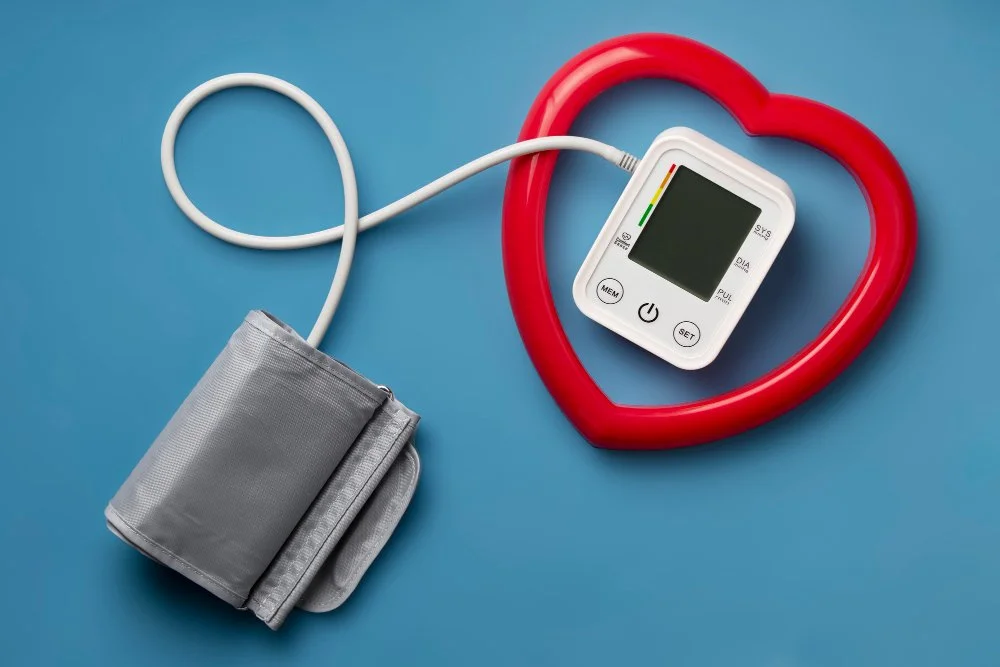
Home blood pressure monitors can help you track changes over time and inform you when adjustments in lifestyle or medication are needed.
The optimal blood pressure target for most adults is around 120/80 mmHg.
Addressing Underlying Medical Conditions
Diabetes: Manage blood sugar levels effectively, as diabetes is a major risk factor for hypertension.
Kidney disease: Regular check-ups and proper management are crucial, as kidney function has a direct impact on blood pressure regulation.
Thyroid disorders: Treating hyperthyroidism or hypothyroidism can help stabilise blood pressure levels.
Nutritional Supplements That May Support Healthy Blood Pressure
Magnesium: Magnesium plays an important role in relaxing blood vessels and supporting normal vascular tone. It also helps regulate the balance of other electrolytes such as potassium and sodium. Low magnesium levels have been associated with an increased risk of hypertension.
Omega-3 fatty acids: Omega-3 fatty acids support cardiovascular health and may contribute to modest reductions in blood pressure. They help reduce inflammation, improve endothelial function, and support healthy blood vessel flexibility.
Coenzyme Q10 (CoQ10): Some studies suggest that CoQ10 supplementation may help reduce both systolic and diastolic blood pressure by improving the function of the endothelium (the inner lining of blood vessels).
Beetroot Powder: Beetroot is naturally rich in dietary nitrates, which the body converts into nitric oxide. Nitric oxide helps relax and widen blood vessels, improving blood flow and potentially lowering blood pressure.
L-arginine: This amino acid helps support nitric oxide production in the body, which promotes vasodilation and improved circulation. Increased nitric oxide availability can help relax blood vessels and support healthy blood pressure levels.
Vitamin D: Vitamin D plays a role in regulating the renin-angiotensin system, which is involved in blood pressure control.
Supporting optimal blood pressure requires a holistic approach that combines healthy lifestyle choices, dietary adjustments, stress management, and, when necessary, medical interventions. Regular monitoring and proactive management of contributing factors can help keep blood pressure within a healthy range, reducing the risk of long-term health complications.
The results of The ULTIMATE Methylation Genetic Test - 78 Gene Markers may help to manage blood glucose levels more effectively.
Testing markers such as homocysteine can help identify cardiovascular risk factors using the Homocysteine Plasma Profile – Doctors Data Labs Blood Test
Book an Advice Call with our Clinical Team
Annie Davies
Clinical Nutritionist
Body Fabulous
www.mybodyfabulous.co.uk