Forget eye cream - experts say the right diet can get rid of dark circles
/Ageing
Ageing can take its toll on your under-eye skin. Annie Davies, clinical nutritionist at Body Fabulous Health Clinic, reveals: ‘As we age, skin loses collagen and becomes thinner, making dark circles more visible. Fat loss around the eyes can also cause a hollowed appearance, casting shadows.’
While we can’t stop the clock, we can do certain things to slow the ageing process. Eating a healthy, balanced diet, staying hydrated, reducing stress and lessening or avoiding bad habits, like alcohol and smoking, will all help.
Diet
It’s often said that you are what you eat, and the same is true for your skin. The food we put into our bodies plays a significant role in skin health, including the delicate under-eye skin. Ensuring you get all the necessary vitamins and minerals is essential to reducing dark circles.
Since your diet directly affects skin health, it makes sense that this also includes the skin under your eyes, too. ‘Improving your diet and getting the right nutrients can help reduce the appearance of dark circles, especially if they’re related to poor circulation, thin skin, or nutrient deficiencies,’ explains Clinical Nutritionist Annie Davies.
Stress
Stress is often the culprit behind many problems, both mental and physical. Occasional stress is a normal part of life, but it can still affect your skin. As Annie Davies warns, ‘High cortisol, often due to stress exposure, can increase blood volume, making blood vessels under the eyes more prominent, which can contribute to the appearance of dark circles.’ To minimise stress, ensure you get enough sleep, eat well, exercise, and maintain other healthy habits, like practising mindfulness.
6. Allergies
Allergies can cause our eyes to become red and itchy, but this is usually temporary. However, Annie Davies advises, ‘Allergies can trigger the release of histamines, which cause blood vessels to dilate and become more visible. Rubbing your eyes can also worsen dark circles.’
If you suspect you might get hayfever or you know the pollen count is high, it’s best to take an antihistamine right away, and use hydrating eye drops throughout the day to stop you rubbing your eyes.
7. Sun exposure
It’s well documented that UV rays are harmful to our skin, especially to the delicate under-eye area. ‘UV exposure can increase melanin production, causing pigmentation to darken under the eyes,’ Annie Davies explains.
It’s important to use an eye cream with high SPF protection, ideally one formulated specifically for the delicate skin around the eyes. When out in the sun, wearing sunglasses can also help protect your eyes from harmful rays, just make sure they offer UV protection.
Read the full article HERE
TRIED & TESTED The best high-protein takeaways – from a swap that saves a whopping 1,000 calories to surprising McDonald’s winner
/But here’s the catch – “high-protein” doesn’t always mean healthy.
As retailers and takeaway giants cash in on the trend, reading the labels has become even more important.
“Protein is important for keeping us full, muscle support and general health, but more isn’t always better,” says Annie Davies, Clinical Nutritionist at Body Fabulous Health Clinics.
“A high-protein meal can still be made with heavily processed and unattractive ingredients.”
Domino’s: Save 1,000 calories
The Domino’s ‘classico chicken and pesto’ pizza contains over 100g of proteinCredit: Alamy
Domino’s isn’t renowned for healthy pizza, but there are some ways you can pack in protein and avoid unhealthy additions.
AVOID: The Classico Chicken and Pesto (large)
Calories: 1,813
Protein: 106g
Saturated fat: 37.7g
Salt: 9g
If you ate this pizza, you’d get a whopping 106g of protein in one hit.
But, the NHS recommends that women eat less than 20g saturated fat per day and men consume less than 30g per day.
“This contains around two days worth of saturated fat,” says Annie.
“It becomes even more of a problem when it replaces healthier fats, such as olive oil and nuts.
“The salt levels in this pizza are also very high.
“High protein does not automatically equate to a healthier choice when saturated fat and salt are this elevated.”
MAYBE: The Delight Chicken Pizza (large)
Calories: 1,435
Protein: 90.9g
Saturated fat: 14g
Salt: 7.7g
“This has significantly less saturated fat than the previous pizza with 90.9g of protein and high fibre (27g), which is unusual for pizza and certainly a positive feature,” says Annie.
Fibre matters, it feeds the good bacteria in your gut, keeps you full, helps lower cholesterol and keeps your blood sugar stable.
Dropping down to a small version of this pizza makes it even better at 582 calories and 36g of protein.
TRY: Create your own
A Domino’s large Thin and Crispy crust contains 596 calories, versus the Domino’s large Stuffed Crust, which packs in 1603 calories.
“Avoid processed meats such as pepperoni and meatballs, which tend to be higher in saturated fat and salt,” adds Annie.
At Domino’s, adding chicken breast strips to your pizza adds a small 85 calories, while pork meatballs bump up your pizza calorie count by 403 calories!
Subway: Save 300 calories
The rotisserie style chicken footlong if one of strongest options nutritionally at SubwayCredit: Subway
“Choosing lean proteins, plenty of salad and wholegrain bread can make a big difference to the overall nutritional profile of your meal,” says Annie.
AVOID: Footlong Pepperoni Slice
Calories: 353
Protein: 18g
Saturated fat: 8.8g
Salt: 2.2g
Despite being marketed as a side, it’s high in saturated fat (8.8g) and provides relatively little protein (18g) for the 353 calories.
“Cheese and processed meats drive up both fat and salt content, too,” adds Annie.
MAYBE: Turkey And Ham Footlong
Calories: 327
Protein: 23g
Saturated fat: 6g
Salt: 2g
“Processed meats such as ham can also be higher in sodium, so it’s not necessarily the best choice if you’re prioritising protein quality,” says Annie.
TRY: The Rotisserie Style Chicken Footlong
Calories: 620
Protein: 44g
Saturated fat: 5g
Salt: 2.8g
“This is one of the strongest options nutritionally. It’s high in protein, moderate in calories and relatively balanced overall. Adding plenty of salad will further increase fibre and keep you full,” says Annie.
But, be wary of the salt. Opt for a 6-inch sub to bring salt down.
KFC: Save 600 calories
High protein doesn’t always mean it’s healthy as there could be a high calorie count – aviod the Zinger Burger as an “everyday choice”
Annie says: “The best choices here are those that offer a good protein hit without excessive saturated fat or energy. Whole chicken pieces and simpler burgers tend to be better, more balanced choices.”
AVOID: Zinger Stacker Burger
Calories: 813
Protein: 45g
Saturated fat: 7.7g
Salt: 3.7g
“This is a classic example of why high protein doesn’t automatically mean healthy,” says Annie. “This is less suitable as an everyday choice.”
MAYBE: Large Popcorn Chicken
Calories: 478
Protein: 28g
Saturated fat: 2.8g
Salt: 2.2g
“Because it’s bite-sized and easy to eat quickly, it may be less satisfying,” says Annie.
“It’s also low in fibre, so it may not keep you full for as long.”
TRY: One Original Recipe Chicken Drumstick
Calories: 179
Protein: 14g
Saturated fat: 1.5g
Salt: 0.74g
Annie says that this offers a good balance of protein to calories.
Annie suggests: “For a balanced meal, pair this with sides such as a couple of pieces of corn (57 calories) or beans (93 calories), to create a more balanced meal.”
Read the full article HERE
All the foods that you probably didn't know are naturally gluten-free, from gnocchi to buckwheat
/Trying to avoid gluten? There are foods that you probably didn't know are naturally gluten-free. Indeed, while you may have been turning to gluten-free pasta and bread alternatives, many other nutritious items to stock in your kitchen cupboard will also align with your dietary preference.
Potatoes
Potatoes are one of the more accessible naturally gluten-free carbs, and they can also be super nutritious too. "Cooked and cooled potatoes are a great option, since this process transforms some of the starch into resistant starch, which improves gut health and reduces blood sugar spikes," explains Annie Davies, clinical nutritionist at Body Fabulous Health Clinic. "I am a big fan of function foods that provide health benefits beyond basic nutrition."
Read the full article HERE
How to substitute out the liquid calories hidden in your diet
/1. Fruit juice
It's a trap! Fruit juice may count as one of your five-a-day, but it's not as good as it seems.
"While fruit juices may seem healthy, they're usually loaded with sugar and have little to no fibre compared to whole fruits," says Annie Davies, Clinical Nutritionist at Body Fabulous Health Clinic. All that fructose will spike your blood sugar, and could lead to a crash in energy or cravings for other foods.
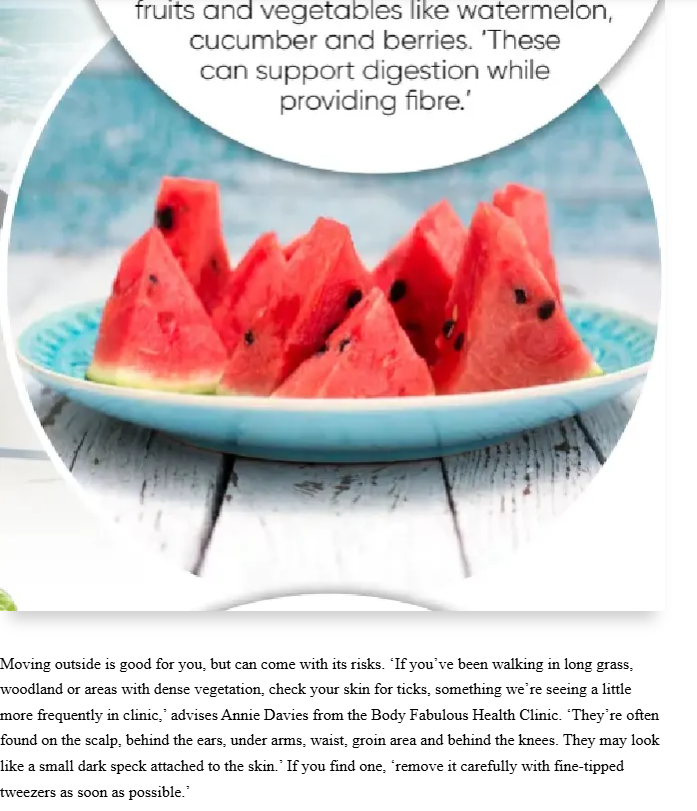
Davies recommends that we stick to fresh, unsweetened juice in moderation or choose water-rich fruits like watermelon for hydration instead.
You might also be tempted to swap your regular juice for a green alternative, but many of these are actually just fruit juice in disguise, containing only a small amount of the headline green veg. Always check the label before you buy.
Skip: Juice drinks with added sugar
Swap: Fresh unsweetened fruit juice, vegetable juice
3. Fizzy drinks
We all know soda can be full of sugar, but how does your favourite compare? The Sheffield’s Sweet Enough campaign group compiled data on 10 fizzy drinks with the highest amount of sugar per 500ml. Here's their list:
Mountain Dew 66g (16.5 tsps)
Cherry Coke 56g (14 tsps)
Pepsi 56g (14 tsps)
Red Bull 55g (13.5 tsps)
Monster Energy 55g (13.5 tsps)
Coca Cola 54g (13.5 tsps)
Fentimans Cherry Coke 39g (9.5 tsps)
7up 35g (8.5 tsps)
San Pellegrino 24.5g (6 tsps)
Irn Bru, Dr Pepper, Fanta, Lilt 24g (6 tsps)
To put this in context, the 66g of sugar in a bottle of Mountain Dew is as much as you'd find in four jam doughnuts. That's an awful lot of hidden calories!
"Fizzy drinks and sugary beverages are among the worst offenders for weight gain," explains Davies. "They’re high in calories and offer little to no nutritional value. These drinks spike your blood sugar and can lead to weight gain over time."
Swapping to low-calorie alternatives is one easy way to avoid all that extra sugar, but there's a catch. Some scientists believe that artificial sweeteners can play a role in weight gain, too. It's thought that the mismatch between the sweetness you taste and the number of calories in the drink leads you to crave – and eat – other carb-heavy foods.
So your best option may be to avoid the fizz altogether, or try making your own healthier version using sparkling water with fresh fruit slices and a dash of cordial.
Skip: Sugary fizzy drinks such as colas and lemonades
Swap: Sparkling water with fresh fruit slices
5. Sports drinks
Davies recommends another option: "Coconut water is a natural, low-calorie drink that’s rich in electrolytes," she says. "It's a great alternative to sugary sports drinks and can help with hydration."
Skip: High sugar sports drinks
Swap: Coconut water, or water with a squeeze of fruit
Read the full article HERE
Easy ways to boost your libido, according to sexual health experts
/If you are struggling to get physical in the bedroom, there could be some very easy ways to get your mojo back.
Hannah Trueman, Lead Nutritionist and Dietetic Medicine Specialist at Body Fabulous Health Clinic suggests some supplements that might help get your sex life back on track
L-arginine is an amino acid that helps improve blood flow by increasing nitric oxide levels in the body. This is essential for sexual function, as good circulation is crucial for arousal and performance. Studies have shown that L-arginine can help improve erectile function in men and support sexual arousal in women.
Maca root, an adaptogenic herb, is widely used to support energy, stamina and libido. Studies have suggested that maca can enhance sexual desire and performance, especially in individuals experiencing low libido due to stress, fatigue or low hormone levels.
Tribulus Terrestris is a plant commonly used in traditional medicine for enhancing libido and improving sexual function. Research suggests that it may help increase testosterone levels and improve sexual satisfaction in both men and women.
Hannah Trueman, Lead Nutritionist and Dietetic Medicine Specialist at Body Fabulous Health Clinic, says it’s crucial to address any underlying health issues that negatively affect your physical or mental health will likely impact your libido.
Hormonal imbalances, such as low oestrogen, testosterone, high or low cortisol or thyroid dysfunction, can directly affect libido by disrupting the hormonal signals that regulate sexual desire and arousal. Low levels of these hormones can lead to fatigue, mood swings and reduced sexual drive. These hormones can be tested and rebalanced through targeted dietary and lifestyle tweaks as well as supplementation or medical support as needed.
Gut issues: The health of the gut is closely linked to libido due to the gut-brain axis. An imbalance in gut bacteria or conditions like IBS or leaky gut can increase inflammation and stress in the body, which may suppress libido and often come with symptoms that can be embarrassing and uncomfortable. Poor gut health can impair nutrient absorption, leading to deficiencies that affect energy levels and sexual health. Stool testing can provide valuable insights into gut health and imbalances can be supported through dietary intervention and targeted supplements.
Nutrient deficiencies in key nutrients like zinc, vitamin D, B vitamins and healthy fats can contribute to low energy, mood swings and reduced libido. These can be tested for and corrected with dietary tweaks and targeted supplementation.
Anything else that could be impacting energy levels, moods and self-esteem, including skin health (acne, eczema, psoriasis), chronic stress, poor sleep, anxiety and unresolved emotional issues can also drain energy and negatively impact libido. Body image concerns, low self-esteem and mental health challenges can reduce sexual desire, as can lifestyle factors such as overtraining and burnout.
Read full article HERE
How to prevent hay fever this spring Hay fever suffering is on the rise.
/Here’s the lowdown on how to alleviate congestion, sneezing, itching and watery eyes for good!
Invest in HEPA filters and air purifiers
‘These devices help reduce indoor pollen and airborne irritants, which can significantly lower allergen exposure and improve symptoms, particularly during high pollen count days or at night,’ says Hannah Trueman, Dietetic Medicine Specialist and Lead Nutrionist at Body Fabulous Health Clinic.
The nutrient pairing of quercetin and vitamin C provides natural antihistamine support and is found in foods like onions and apples or available in supplement form,’ says Hannah Trueman. ‘These nutrients can help stabilise mast cells, reduce histamine release, support immune function and reduce oxidative stress (cell damage), all of which can help reduce histamine-driven reactions like those seen in hay fever.’
‘Identifying and reducing exposure to individual food intolerances (such as dairy or gluten for some) can lower the body’s overall inflammatory load, helping to prevent an already sensitised immune system from becoming overwhelmed,’ says Trueman.
Stress management and vagus nerve support is important,’ says Trueman. ‘Chronic stress keeps the body in a state of sympathetic dominance (‘fight or flight’), which can heighten immune reactivity. Stimulating the vagus nerve, through techniques like deep diaphragmatic breathing, cold exposure, gentle movement, meditation and humming, can help shift the body toward parasympathetic (rest and digest) mode, supporting a calmer immune response and reducing the intensity of hay fever symptoms.’
Read full article HERE
March 8th 2026
Age backwards with these 6 vitamins and minerals
/Zinc
When it comes to anti-ageing, zinc isn’t the first mineral to pop into many people’s minds. However, one of zinc’s primary functions is to aid healing within our bodies, and that includes our skin barrier. By creating a strong, stable skin barrier, we are both protecting our skin from external free radicals and helping our bodies repair and replace damaged cells.
We asked clinical nutritionist Annie Davis for her opinion on this lesser-known mineral. “Zinc is essential for skin repair and regeneration. It also helps to reduce inflammation and supports the production of collagen and elastin, which are important for youthful skin,” she says.
How to increase your zinc intake through food
The recommended daily dose for adults is around 6 to 12 mg per day and it’s safe to say many of us will already meet this target in our daily lives. If you’re looking to increase your zinc levels, choose foods such as oysters, pumpkin seeds, chickpeas, lentils, and beef. You can also find zinc in tofu, tempeh, whole grains and fortified cereals.
Polyphenols (such as resveratrol)
Polyphenols are micronutrients which naturally occur in plants. There are over 8,000 polyphenol compounds and many of them are found in our daily diets. Not only can they boost digestion, brain health and prevent type 2 diabetes, but they also contain antioxidant properties – crucial for fighting signs of ageing.
With over 8,000 polyphenols out there, we asked Annie Davies to narrow down the best polyphenol for anti-ageing. Annie says: “Resveratrol, found in the skin of grapes, is particularly known for its anti-ageing effects, as it can protect the skin from sun damage, reduce inflammation, and improve skin elasticity.”
A study from 2022 supports this, finding resveratrol “protects the skin against the harmful effects of type B ultraviolet radiation, which is the main factor in the skin ageing processes.”
How to increase your resveratrol through food
Spanish red grapes contain the highest level of resveratrol and the best news is red wine does too! Of course, alcohol has huge detrimental effects to both our health and anti-ageing but some studies suggest small amounts may be beneficial.
Peanuts are also considered one of the highest resveratrol foods, with a boiled cup of peanuts providing as much resveratrol as a glass of red wine. Peanuts also contain omega-3 and other nutrients, making them an anti-ageing superfood. Annie also offered “berries, dark chocolate, green tea” as rich resveratrol alternatives.
Curcumin (Turmeric)
It’s no secret that turmeric has multiple health benefits and it has been used for medicinal purposes since 500 BC. It’s not turmeric itself which has anti-ageing properties but the active compound it contains, most commonly known as curcumin.
Curcumin is sold as a herbal supplement, food colouring, food flavouring and even a cosmetic product. Importantly, the chemical structure of curcumin can neutralise free radicals. Annie explains: “Curcumin has powerful anti-inflammatory and antioxidant properties. It helps to reduce skin inflammation, protect against UV damage, and promote overall skin health.”
Read the full article HERE
“I keep waking up early in the summer – is that a bad thing?”
/How to combat bad sleep in the summer
1. Make your bedroom darker
“Use blackout curtains or sleep masks to block early morning light, especially if you are a shift worker,” says Annie Davies, a clinical nutritionist at Body Fabulous Health Clinic.
2. Limit light exposure
“Avoid exposing yourself to bright/blue light (including screen light) before your intended wake time,” says Davies. In fact, keeping phones and screens out of the bedroom entirely is cited by many as being beneficial for sleep.
3. Time your light exposure
If you get bright natural light within 30 to 60 minutes of waking up, this anchors your circadian rhythm. “Specialised cells in the retina tell the brain to stop making melatonin when exposed to light, which in turn sets an internal timer for the body to start making melatonin about 14 hours later, ready for sleep,” says Davies.
4. Wind down properly at night
Try to stick to a consistent sleep schedule, even on weekends, says Davies. Avoid screens one hour before bed and keep your room cool, dark, and quiet.
Read full article HERE
Old school British superfoods: 9 traditional staples with surprising health benefits
/From barley to beetroot, these traditional British foods have always been good for you – no spirulina needed.
Grandma knew best – and not just when it came to darning socks or making the perfect roast. Long before anyone was blitzing kale into smoothies or sprinkling chia seeds on porridge, British kitchens were serving up humble, hearty meals packed with serious nutritional clout.
From liver and cabbage to sardines and blackcurrants, many of the foods we grew up with are now being hailed as superfoods – and they don’t come with a trendy price tag or a passport.
Old school British superfoods
With this in mind, we've selected nine British classics with superfood appeal that you might want to include in your diet.
Liver
A dish that was popular in the post-war decades due to rationing and its impressive nutritional value, this surprisingly healthy meat should never have gone out of fashion. Rich in a wide spectrum of essential macro and micronutrients, liver has been described as nature's most potent superfood.
“Gram for gram, it’s one of the richest sources of bioavailable vitamin A, iron, B12, choline and coenzyme Q10 – all of which are essential for energy, brain health and hormone balance,” says dietetic medicine specialist Hannah Trueman, who believes it may have fallen out of favour due to outdated concerns around cholesterol and also our changing taste preferences.
It's also a great superfood to help keep your teeth and gums in tip top order.
Read Full Article HERE
'I stopped drinking oat milk after 7 years – these 5 things changed fast'
/‘Transitioning from oat milk to dairy can lead to a few noticeable changes, depending on individual tolerance,’ says Hannah Trueman, dietetic medicine specialist and lead nutritionist at Body Health Fabulous Clinic. ‘Some people may experience benefits such as increased satiety due to the naturally higher protein content in dairy milk, this can also contribute to more stable blood sugar levels.’
Read full article HERE
Runners: Why omega-3 could be the performance- and recovery-boosting supplement you need
/The supplement shelves are a crowded place to be right now, and it can be hard to know where to start, what supplements to take and when a food-first approach might be superior. One such supplement is omega-3. While we know omega-3 fatty acids are important for the general population’s health, some recent studies have suggested that runners specifically might benefit from omega-3 supplementation.
‘Omega-3 fatty acids are essential fats that play a vital role in heart, brain, immune and joint health – core areas for anyone, but especially relevant for endurance athletes like runners. They’re best known for their anti-inflammatory properties and support for cellular membrane fluidity, which has direct implications for recovery, oxygen transport, and muscle function,’ says Hannah Trueman, dietetic medicine specialist and lead nutritionist at Body Fabulous.
Read the full article HERE
Skin Saviours - Your Healthy Living Magazine
/Read April / May 2025 issue HERE
I tried TikTok's lemon balm tea for a week to see if it can really help to reset your nervous system
/- my honest review
Anyone who knows me will tell you that I'm not a naturally calm person. I've always been what some call highly-strung, wearing my heart on my sleeve and reacting with my emotions first, and my sensible head later (sometimes, a lot later). And while these personality traits have their benefits, it doesn't take much to tip me from calm to chaotic - add in three children, a dog and - well, life, and you'll get the picture.
I know I'm not alone: according to research, women are 50% more likely to feel stressed than men, while we're also twice as likely to be diagnosed with an anxiety disorder than our male counterparts. Sure, some of this may stem from (and I'm generalising here) women feeling more able to open up about our emotions, but the findings, nevertheless, are stark.
Ever on a quest to find holistic ways to manage my stress levels, when I scrolled past reel after reel of lemon balm tea on TikTok, my interest was piqued. Could a calming herbal drink help to reset my frazzled nervous system? Purported to reduce stress levels, support digestion, aid natural sleep and more, I had to give it a try.
"Lemon balm is a fascinating herb known for its potential to support brain function, mood and overall nervous system health," notes lead nutritionist and dietetic medicine specialist at Body Fabulous Health Clinic, Hannah Trueman. "It contains natural compounds like rosmarinic acid, citral, oleanolic acid and ursolic acid, which influence important brain pathways that regulate mood and cognitive health, including GABA, serotonin and acetylcholine."
In other words, it's high in antioxidant compounds that might help protect cells from damage, while boosting mood and cognition. What's not to love?
Read for article HERE
The best healthy no-cook meals
/for those days when you're in a rush, including lunch and dinner
If it feels like the day is running away with you, then turning to healthy no-cook meals can be the time-saving but nutritious solution you need. Indeed, it's not necessary to spend hours feeling the heat in your kitchen in order to fuel your body properly.
After a no-cook breakfast? "Soaked oats with chia seeds and yoghurt can be prepared ahead of time, ready to add berries or fruit to for a quick breakfast on the go," says Annie Davies, clinical nutritionist at Body Fabulous Health Clinic. "Adding in a scoop of protein powder can elevate your protein intake, while the fat and fibre can be satiating, helping to keep you fuller for longer." She also recommends setting time aside at the weekend to batch prep if you know it’s a busy week ahead.
Read full article HERE
Your guide to natural anti-ageing
/Ageing is a natural part of life, but who says you can’t age gracefully and radiate youthful energy? While there’s no magic potion to stop time, there are plenty of natural ways to keep your skin glowing, your body strong and your mind vibrant. We spoke to the experts to get their top natural beauty tips to keep the ageing process at bay.
Eat for good sleep
“Prioritise a whole foods diet with minimal processed foods and refined sugar, and plenty of colour!” says Hannah Trueman, lead nutritionist and dietetic medicine specialist at Body Fabulous Health Clinic (www.mybodyfabulous.co.uk).
Fill your plate with a variety of colourful, antioxidant-rich fruits and vegetables every day. Think berries, dark leafy greens and cruciferous veggies like cabbage, kale and broccoli. These foods are loaded with vitamins C and E, polyphenols and antioxidants that neutralise free radicals (unstable molecules that damage cells), helping to protect your skin and overall health from oxidative stress (cell damage). Aim for three different coloured plants on your plate at each meal to boost nutrient diversity and maximise your antioxidant intake.”
Read more HERE
Mirror Coverage
/Five hangover remedies you might not have tried – with one that doesn't cost a penny.
Nutritionist Annie Davies gives her advice to fight the hangovers.
Read more here.
FEAST Coverage
/DASH Water has partnered with Hannah Trueman, senior nutritionist from the Body Fabulous Clinic, to explore the benefits of giving up alcohol for even a short period of time.
Hannah comments,
“Eliminating alcohol lightens the load on your liver, allowing it to focus on detoxifying more effectively, reducing inflammation and restoring your body’s natural balance. This reset provides a valuable opportunity to cultivate healthier habits and set the stage for improved long-term wellness.
“Giving up alcohol for even short periods can have numerous benefits for both physical and mental health.”
Hannah suggests that in just one week, you’ll notice better hydration, improved sleep, reduced inflammation, and increased energy as your liver begins to recover and nutrient absorption improves
Read more here.