What Your Food Cravings Are Trying To Tell You 

What Your Food Cravings Are Trying To Tell You 

Food cravings can be your body’s way of communicating what it needs or is experiencing emotionally and chemically. There are many causes of food cravings, for example nutrient deficiencies in some individuals can increase the need for specific foods.

Read More

Hair Loss: Can DNA Testing Help?

Hair Loss: Can DNA Testing Help?

Hair thinning and hair loss can feel frustrating, especially when you’re not sure why it’s happening. Hair health is highly individual, and your genetics can play an important role in how your scalp and follicles respond to hormones, nutrients, and even stress. 

Read More

Bone health from a holistic perspective - what can I do to improve them?

Bone health from a holistic perspective - what can I do to improve them?

Bone health is influenced by a variety of factors that go beyond simple nutrient intake, requiring a comprehensive approach to maintain and improve it. Addressing bone health from a holistic perspective involves understanding the interplay of nutrition, lifestyle, environmental factors, and underlying biological processes.

Read More

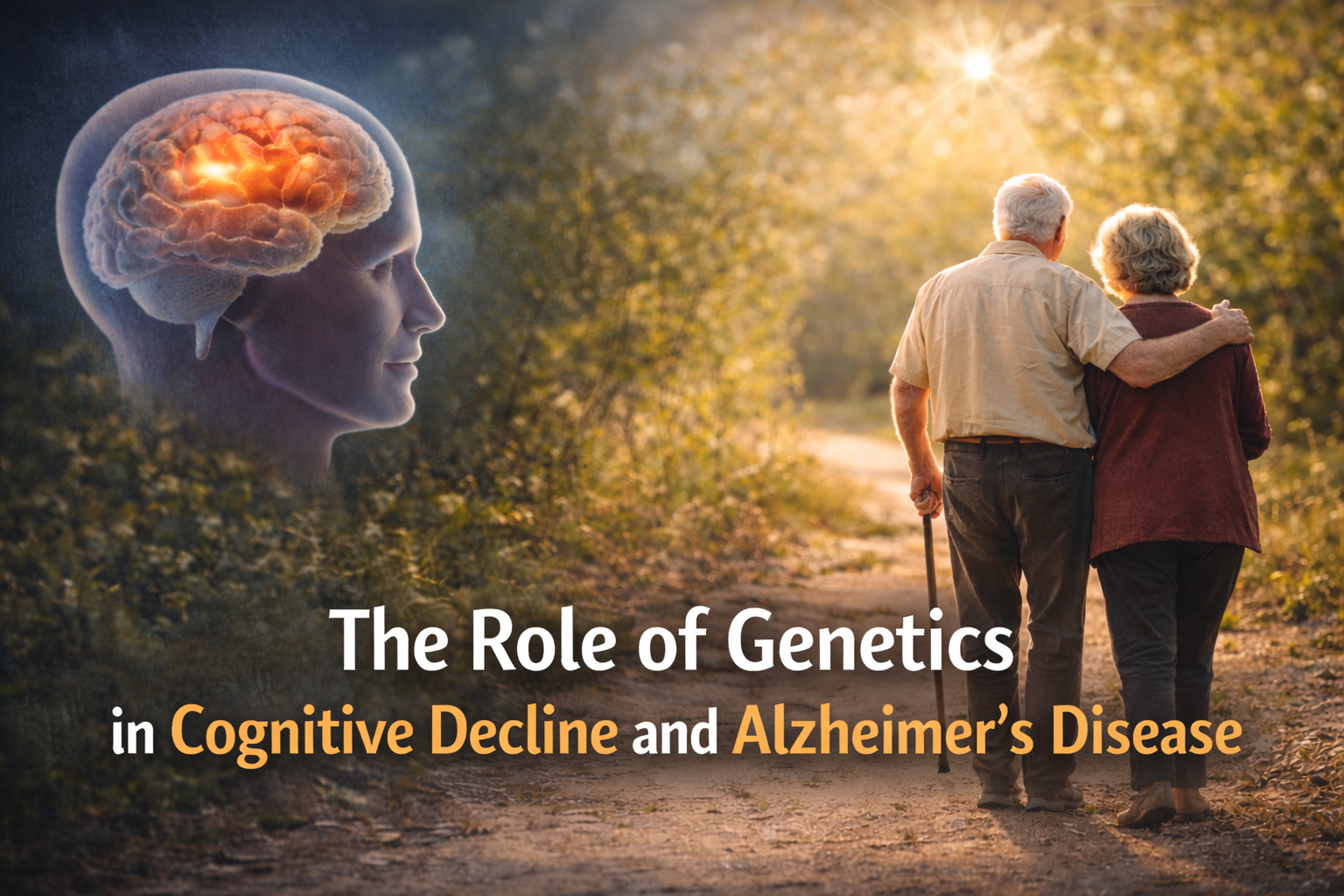
The Role of Genetics in Cognitive Decline and Alzheimer’s Disease (APOE)

The Role of Genetics in Cognitive Decline and Alzheimer’s Disease (APOE)

Cognitive decline and Alzheimer’s disease (AD) are complex conditions influenced by a combination of genetic, environmental and lifestyle factors. Among these, genetic predispositions play a critical role in determining susceptibility, progression and response to interventions. This article explores the connection between genetics and cognitive health, focusing on key genes like Apolipoprotein E (APOE) and others involved in methylation, inflammation, toxicity and neuro (brain) protection.

Read More

Understanding Oxidative Stress: What It Means for Your Health

Understanding Oxidative Stress: What It Means for Your Health

Oxidative stress occurs when there is an imbalance between free radicals (unstable molecules that can damage cells) and antioxidants (molecules that neutralise free radicals) in your body. Free radicals are produced naturally during metabolic processes but environmental factors like pollution, smoking and poor diet can increase their levels. Diminished antioxidant capacity and endogenous factors like high hormone load (stress and reproductive) can also contribute to oxidative stress.

Read More

A Guide To Methylation DNA Genetic Testing

A Guide To Methylation DNA Genetic Testing

Methylation DNA testing is very popular now thanks to world renowned biohackers like Gary Brecka from Ultimate Human and the UK’s own Tim Gray.

There are over 20,000 genes in the human body and with many labs offering methylation DNA testing it can be a daunting choice picking which one to order.

Here are some top tips from our Genetics Team to consider prior to purchasing;

Read More

Joint Health: Causes, Nutrition & Natural Support

Joint Health: Causes, Nutrition & Natural Support

Joint health is essential for mobility, flexibility, and overall physical well-being.

Key Components of Joint Structure

1. Bones:

Joints form where two bones meet. Bones provide structural support …

Read More

Longevity and Science-Backed Supplements

Longevity and Science-Backed Supplements

For biohackers focused on longevity, it’s all about targeting the underlying mechanisms of ageing. From mitochondrial health to reducing inflammation and clearing out senescent cells, supplement strategies can make a significant difference. Here’s a rundown of eight well-researched supplements that can help slow down the ageing process, each supported by scientific evidence. 

Read More

What to Do When Your Weight Loss Plateaus: Working with Your Body, Not Against It

What to Do When Your Weight Loss Plateaus: Working with Your Body, Not Against It

Weight loss plateaus are a natural part of the journey and can be an opportunity to tune into your body’s signals. Instead of obsessing over numbers or calorie restriction, taking a holistic approach that integrates nutrition, hormones, lifestyle and stress management can help you overcome the plateau and achieve lasting results without feeling depleted or discouraged.

Read More

Folinic Acid vs. Methylfolate: Choosing the Right Form of Folate

Folinic Acid vs. Methylfolate: Choosing the Right Form of Folate

Vitamin B9, commonly referred to as folate, comes in many forms, and choosing the right one can make a significant difference in how your body uses it. You’ve likely seen different names on food packaging or supplements, such as folic acid, folate, folinic acid, and 5-MTHF, but they’re not all created equal.

Read More

Nutrient Deficiencies and Mental Health: Are You Missing Key Vitamins?

Nutrient Deficiencies and Mental Health: Are You Missing Key Vitamins?

If you have been experiencing challenges with your mental health, whether it's low mood, poor concentration, memory lapses or lack of motivation, it may be worth examining your nutrient intake. Your brain relies on specific vitamins and minerals to function properly and deficiencies in these key nutrients can significantly impact your mental wellbeing. Optimising your nutrient levels is a foundational step toward supporting better cognitive health and emotional balance.

Read More

Why is Vitamin D essential for your health?

Why is Vitamin D essential for your health?

Vitamin D is a crucial nutrient that plays a vital role in maintaining overall health. It is unique because it acts like both a vitamin and a hormone in the body. Here are some key reasons why vitamin D is important:

  • Bone Health: Vitamin D helps the body absorb calcium, which is essential for building and maintaining strong bones. Without sufficient vitamin D, bones can become thin and brittle.

  • Immune Support: It enhances the pathogen-fighting effects of monocytes and macrophages—white blood cells that are important parts of your immune defence—and decreases inflammation.

  • Mood Regulation: Adequate levels of vitamin D are associated with improved mood and mental health. Low levels have been linked to conditions like depression.

  • Muscle Function: Vitamin D contributes to muscle strength, reducing the risk of falls and fractures, especially in older adults.

Read More

Fibre-Maxxing: Benefits, Risks & Gut Health

Fibre-Maxxing: Benefits, Risks & Gut Health

Fibre-maxxing is a growing nutrition trend focused on increasing your daily fibre intake often well above the minimum recommended amounts. Many people still fall short of even the minimum recommended fibre intake, so increased awareness around fibre intake is generally a good thing. However, extremes or sudden changes (like massive fibre increases overnight) can backfire, causing bloating, discomfort, constipation or even nutrient absorption issues.

Read More

MTHFR Gene: Variants, Symptoms & Testing

MTHFR Gene: Variants, Symptoms & Testing

Order MTHFR Testing HERE

Understanding the MTHFR Gene: Functions, Variants, and Implications

The MTHFR (Methylenetetrahydrofolate Reductase) gene is a key player in a critical metabolic process known as methylation, which is essential for DNA synthesis, repair, and overall cellular function. The enzyme produced by the MTHFR gene converts 5,10-methylenetetrahydrofolate to 5-methyltetrahydrofolate, the active form of folate. This active folate is crucial for converting homocysteine into methionine, an amino acid necessary for many biological functions, including the synthesis of proteins and neurotransmitters.

Read More

How To Read Food Labels

Unfortunately, a number of products that are labelled as all natural or healthy are actually highly processed with questionable ingredients.

Below we will discuss four ingredients that emphasise the mislabeling of everyday food products.

Fructose is a natural sugar present mainly in fruit and a handful of vegetables.

In it’s natural form it is fine to consume for most people in small quantities however it can also be found in high fructose corn syrup in soft drinks and sweets.

The concentrated sugar present in these syrups has an extremely high level of fructose which rapidly increases the sugar absorption rate in our bodies. This in turn affects our glycemic index. The index shows how quickly something raises our blood sugar.

Take Away: eat fructose in whole fruits but stay away from ultra processed foods that add high fructose.


Sodium Nitrate should also be avoided when looking at food labels. The controversy of this ingredient started in the 1970’s when reports found that nitrate added to meat products reacted with the amines present and formed potentially carcinogenic properties.

Sodium nitrate and nitrite are extensively used in the food industry as an antioxidant in meats such as bacon, ham, luncheon meats, deli meat, jerky and hotdogs

Take Away: though many everyday meats such as bacon do contain the preservative, alternative nitrate free versions are widely available now


Aspartame is an artificial sweetener used in a variety of foods such as diet soft drinks, yoghurt, ice cream and cereal. Similar to sodium nitrate, there is a strong link with the ingredient having carcinogenic properties as well as disgegulation of blood sugars.

Aspartame has also been linked to neurological, behaviour and cognitive disturbances in humans. The sweetener can elevate the levels of phenylalanine aspartic acid in the brain. The compounds obstruct the synthesis of neurotransmitters (dopamine and serotonin). Inhibiting these regulators subsequently affects our neurophysiological activity resulting in behavioural problems.

Take Away: avoid low calorie / low sugar priocessed foods which often includes this artifical sweetener.


Hydrogenated Oils can lead to increased gut inflammation, high LDL cholesterol and low HDL (good cholesterol). High LDL levels can increase a person’s risk of heart disease and obesity. These type of oils are commonly found in ultra processed food products such as crisps and baked goods.

It is advised to avoid food products where labels contain the word, hydrogenated or partially hydrogenated in front of the oils name. This will identify if there is a trans fat contained in the food.

Take Away: Double check plant based milks which seem healthy but can contain liquid oils.

The Dangers of Seed Oils

Looking to get your current Omega levels tested? Click HERE to see our testing.

Seed oils or polyunsaturated fats have recently gained quite a name for themselves in the health world. Although seed oils have been widely accessible to the public since the 1900’s, the negative impacts and consequences of seed oils have only recently been brought to the attention of the general public.

There are two types of fatty acids found in oils: saturated and unsaturated fats. The key difference is their composition and how their carbon bonds are paired with hydrogen.

Saturated fats are mostly derived from animal products such as meat and dairy. These fats are solid at room temperature. Unsaturated fats are predominantly found in plants. This includes nuts, seed oils and fatty fish. These fats are liquid at room temperature.

Unsaturated fats are split into two categories, monounsaturated fats and polyunsaturated fats. This is dependent on how many pairs of hydrogen atoms they are missing.

Both monounsaturated and polyunsaturated fats are categorised by the foods content of Omega 3, Omega 6 and Omega 9. These are all fatty acids. Whilst Omega 3 is commonly praised for its positive impact on brain and heart health, Omega 6 and Omega 9 do not carry the same reputable benefits.

Seed oils contain a high content of Omega 6 and oxidise easily. This can cause radical damage to cell membranes. This damage targets the mitochrondia which are known as the powerhouse of the cells.

These oxidised fats then get trapped in healthy cell membranes which results in poor cellular function and long term inflammation. In additional they reduce the livers production of glutathione, a major antioxidant that is involved in building and repairing tissue.

Prior to 1800’s, as a population, we would seek our fat from foods that could easily be extracted such as butter, coconut oil and olive oil. The 1800’s was a time of revolutionary industrialisation meaning the world was mass producing and therefore shifting towards new, unfamiliar and most importantly, cheap, sources of fats. This shift led to a substantial increase in processed foods which contained unusually high levels of seed oils.

Recent research suggests seed oil oxidation is linked to increased insulin resistance and poor immune system function so it is important we now limit these.

There are eight in total to watch out for:

 -     Corn oil

-     Canola (Rapeseed Oil)

-     Cotton seed

-     Soy oils

-     Sunflower oils

-     Safflower oil

-     Grapeseed

-     Rice bran

Grass fed butter, ghee butter or coconut oil can all be used as an alternative to seed oils for cooking as they do not denature at high temperatures and they have an excellent ratio of Omega 3 and Omega 6 fatty acids. Using olive oil in salad dressings, cold, is fine but make sure to use an extra virgin olive oil, ideally that is cold pressed.

Interested in methylation testing? Order your genetic test HERE

Advice on Methylation DNA Testing

When you consume nutrients, you consume a lot of raw material that must be converted into a form the body can use. How does that raw material turn into hormones, neurons, and more? The process is called methylation.

Your DNA is set at birth and determines how your genes work. Methylation is the process which allows these genes to function optimally so understanding your personal methylation pathways is key to optimising your health. Methyl groups act like billions of switches which turn genes on or off, help regulate mood, detoxify hormones, produce energy, and promote healthy aging.

Since the process of methylation can be found throughout the entire body, it makes sense that poor methylation can cause issues. 

Here are some symptoms to watch out for if you suspect you may struggle with poor methylation:

  • Nervous system / mood issues

  • Gut dysbiosis

  • Trouble sleeping

  • Fatigue

  • Anxiety / Depression

  • Blood Pressure

  • Fertility

The Methylation Panel we offer can uncover needs for nutritional support such as amino acids, vitamins, and minerals. Knowing this can help guide dietary and lifestyle treatment plans. Additionally, knowing genetic predispositions can help focus supplementation to override potential methylation defects.

The methyl groups that participate in methylation come from a variety of micronutrients in your diet which include folate (B9), vitamin B12, vitamin B6, riboflavin (B2), betaine, choline, and several others. Knowing if you need these vitamins and minerals as supplements is key to managing good health.

The methylation DNA test is done via a simple cheek swab which is painless, quick and easy and your report is valid your whole life because genes do not change!

Having said that knowing your gene variants means you are forewarned and forearmed to deal with certain predispositions when it comes to other nutrients such as magnesium, zinc and glutathionine.

If you want to optimise your energy levels or cognitive function, or if you want to investigate mood or sleep challenges and detoxification pathways then this is the test for you.

Gary Brecka, world renowned Human Biologist says ‘We put raw materials into the human body, vitamins, amino acids, proteins and carbohydrates, but what if we cannot convert them into a usable form? This is called methylation. It is the most important process that every human goes through. If you have breaks in your methylation, you need to supplement for their deficiency because when you create a deficiency in the human body, it eventually leads to pathology and disease.”

Order your genetic methylation test HERE

What is Mould Illness?

The Body Fabulous Functional Medicine team are specialists in supporting patients clear mycotoxins. Have you been exposed to mould and now feeling unwell? Chronic undiagnosed illnesses can sometimes be tracked back to mould exposure, often found in your own home or workplace. Toxic mould exposure is connected to long-term symptoms such as allergies, histamine issues, fatigue, skin rashes, insomnia, memory loss, trouble concentrating and confusion. Mould illness can be the underlying trigger to depression and anxiety and can even lead to muscle cramps, numbness in extremities, light sensitivity and hair loss. Once you have identified if you have a mould illness it is important to eliminate the mould from your environment and treat yourself to clear the mould from your system with a detoxification protocol.

Buy Mycotoxin Mould Test HERE

Buy EnviroTox Complete Test for Mould, Chemical and Environmental Toxins HERE

Fungi are able to grow on almost any surface, especially if the environment is warm and wet. Inner wall materials of buildings, wall paper, fiber glass insulation, ceiling tiles, and gypsum support are all good surfaces for fungi to colonise. These fungi then release mycotoxins into the environment causing symptoms of many different chronic diseases.

There are thousands of types of mould but we test for toxigenic moulds. As the name implies, these molds produce mycotoxins that can cause serious health effects. The toxic chemicals found in these types of moulds can be absorbed into the body when one inhales them, eats them, or even touches them.

Many people suffering from mould illness struggle to get a proper diagnosis and investigation.

It’s common to think “my house is clean” it can’t be mould. However, mould comes in many forms and some are not visible to the naked eye.

For most people, toxins get flushed out from the body when eliminating waste.

For some though, the toxic load is so high that it’s too much for the body to eliminate them all efficiently. For others, they may have poor detoxification processes or they may even recycle or reabsorb these mycotoxins back, as the body tries to eliminate them. Genetics plays a huge role in this difference from person to person.

For further support on mould illness please email info@mybodyfabulous.co.uk

What Are The Best Supplements For Depression

supplements-for-depression-min.jpg

My top 7 natural supplements for depression: 

1. Omega-3 Fatty Acids.  New research has confirmed the positive effects of EPA on mood, even more so than DHA, as it provides a natural balance to omega-6 arachidonic acid.

Buy Omega 3 Capsules HERE

2. Probiotics. It is crucial to keep your bowels in good shape because your brain is only as healthy as your gut. The nerve cells in our gut manufacture 80 to 90% of our body’s serotonin, the neurotransmitter we need to balance mood. That’s more than our brain makes. The gut is in constant communication with the brain, sending it information that most definitely affects your mood.

Buy Probiotic HERE

3. Vitamin B-12. Bestselling author Mark Hyman, MD, calls Folate, vitamin B-6, and vitamin B-12 the “mighty methylators for mental health.” He mentions a remarkable study in the American Journal of Psychiatry that found that 27% of severely depressed women over the age of 65 were deficient in B-12. I recommend professional strength B Complex.

Buy B Complex HERE

4. Turmeric (Curcuma longa).  Used for thousands of years in Chinese and Indian medicine to treat a variety of ailments. Turmeric is your brain’s best friend because of its ability to produce antioxidants and reduce inflammation, which then protect our precious mitochondria, the tiny organelles in our cells that generate chemical energy in the form of ATP (adenosine triphosphate).

Buy Curcumin HERE

5. Vitamin D. A deficiency in vitamin D will feel very much like depression. Lots of studies have found a close association between depression and vitamin D deficiencies. And as many as three-quarters of UK teens and adults are deficient.

Buy Vitamin D HERE

6. Magnesium. Up to half of the UK today don’t get enough of magnesium because stress, caffeine, sugar and alcohol all deplete it. Unless you eat lots of seaweed and green beans, it’s wise to bulk up on magnesium because it is considered to be the most powerful relaxation mineral that exists.

Buy Magnesium Glycinate HERE

7. Melatonin. Anyone who has ever experienced insomnia knows about melatonin. It helps us get to sleep and regulates the sleep-wake cycle naturally without the use of sleeping pills.