
Why is Vitamin D essential for your health?

Why is Vitamin D essential for your health?

Vitamin D is a crucial nutrient that plays a vital role in maintaining overall health. It is unique because it acts like both a vitamin and a hormone in the body. Here are some key reasons why vitamin D is important:

  • Bone Health: Vitamin D helps the body absorb calcium, which is essential for building and maintaining strong bones. Without sufficient vitamin D, bones can become thin and brittle.

  • Immune Support: It enhances the pathogen-fighting effects of monocytes and macrophages—white blood cells that are important parts of your immune defence—and decreases inflammation.

  • Mood Regulation: Adequate levels of vitamin D are associated with improved mood and mental health. Low levels have been linked to conditions like depression.

  • Muscle Function: Vitamin D contributes to muscle strength, reducing the risk of falls and fractures, especially in older adults.

Read More

Do Your Genes Increase Inflammation Risk?

Do Your Genes Increase Inflammation Risk?

Inflammation is the body's natural defence mechanism against injury and infection, a process that typically promotes healing. However, when inflammation persists and becomes chronic, it can trigger a range of serious health issues, including autoimmune diseases, cardiovascular problems, and metabolic disorders. While factors such as diet, stress, and environmental toxins significantly influence inflammation levels, genetics also plays a crucial role in determining your susceptibility to inflammatory conditions. This article delves into twelve specific genetic variants linked to an increased risk of chronic inflammation, offering insights into your genetic predisposition and how to tailor health strategies to mitigate these risks effectively.

Read More

What Is Biohacking? A Complete Beginner’s Guide

What Is Biohacking? A Complete Beginner’s Guide

Biohacking is the practice of using science, technology, and lifestyle interventions to optimise health, performance, and well-being. Often viewed as the art and science of "hacking" biology, biohacking combines principles from fields such as nutrition, neuroscience, genetics, and exercise physiology to help people improve their physical and mental health. Biohacking can be as simple as taking supplements to enhance cognitive performance or as complex as implanting devices to monitor physiological responses.

Read More

MTHFR Gene: Variants, Symptoms & Testing

MTHFR Gene: Variants, Symptoms & Testing

Order MTHFR Testing HERE

Understanding the MTHFR Gene: Functions, Variants, and Implications

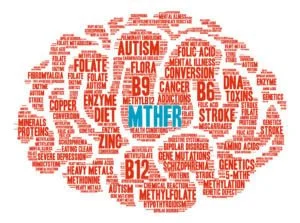
The MTHFR (Methylenetetrahydrofolate Reductase) gene is a key player in a critical metabolic process known as methylation, which is essential for DNA synthesis, repair, and overall cellular function. The enzyme produced by the MTHFR gene converts 5,10-methylenetetrahydrofolate to 5-methyltetrahydrofolate, the active form of folate. This active folate is crucial for converting homocysteine into methionine, an amino acid necessary for many biological functions, including the synthesis of proteins and neurotransmitters.

Read More

Empowering Your Fertility Journey with Functional Medicine and Nutrigenomics

Empowering Your Fertility Journey with Functional Medicine and Nutrigenomics

Embarking on a fertility journey can be both exciting and challenging, but taking control of your health can make a meaningful difference. Nutrition plays a key role—balancing hormones, supporting egg and sperm quality, and managing conditions like PCOS and endometriosis. Simple dietary changes, like increasing vitamin D and omega-3 intake, can positively impact reproductive health.

Read More