
Hair Loss: Can DNA Testing Help?

Hair Loss: Can DNA Testing Help?

Hair thinning and hair loss can feel frustrating, especially when you’re not sure why it’s happening. Hair health is highly individual, and your genetics can play an important role in how your scalp and follicles respond to hormones, nutrients, and even stress. 

Read More

Bone health from a holistic perspective - what can I do to improve them?

Bone health from a holistic perspective - what can I do to improve them?

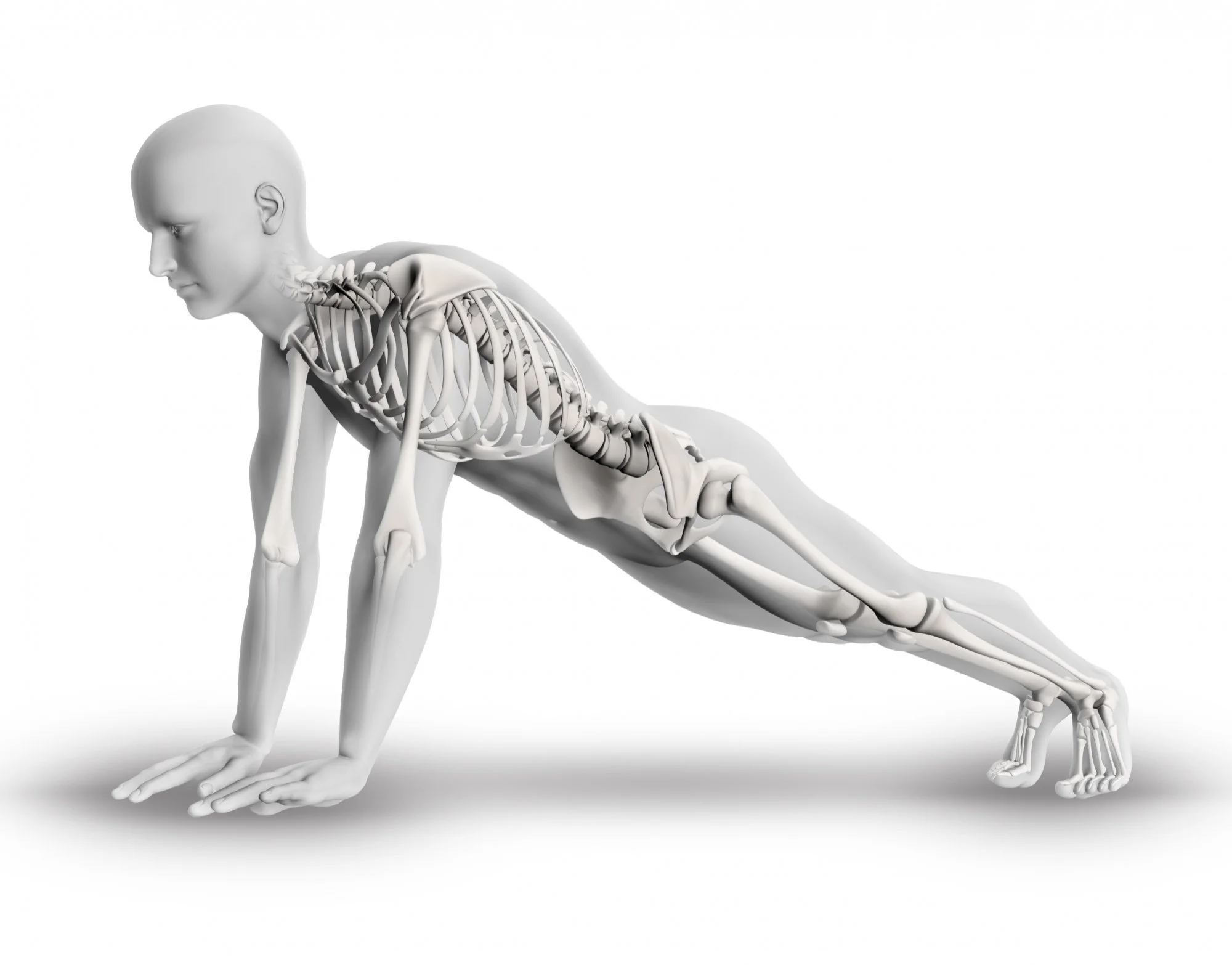
Bone health is influenced by a variety of factors that go beyond simple nutrient intake, requiring a comprehensive approach to maintain and improve it. Addressing bone health from a holistic perspective involves understanding the interplay of nutrition, lifestyle, environmental factors, and underlying biological processes.

Read More

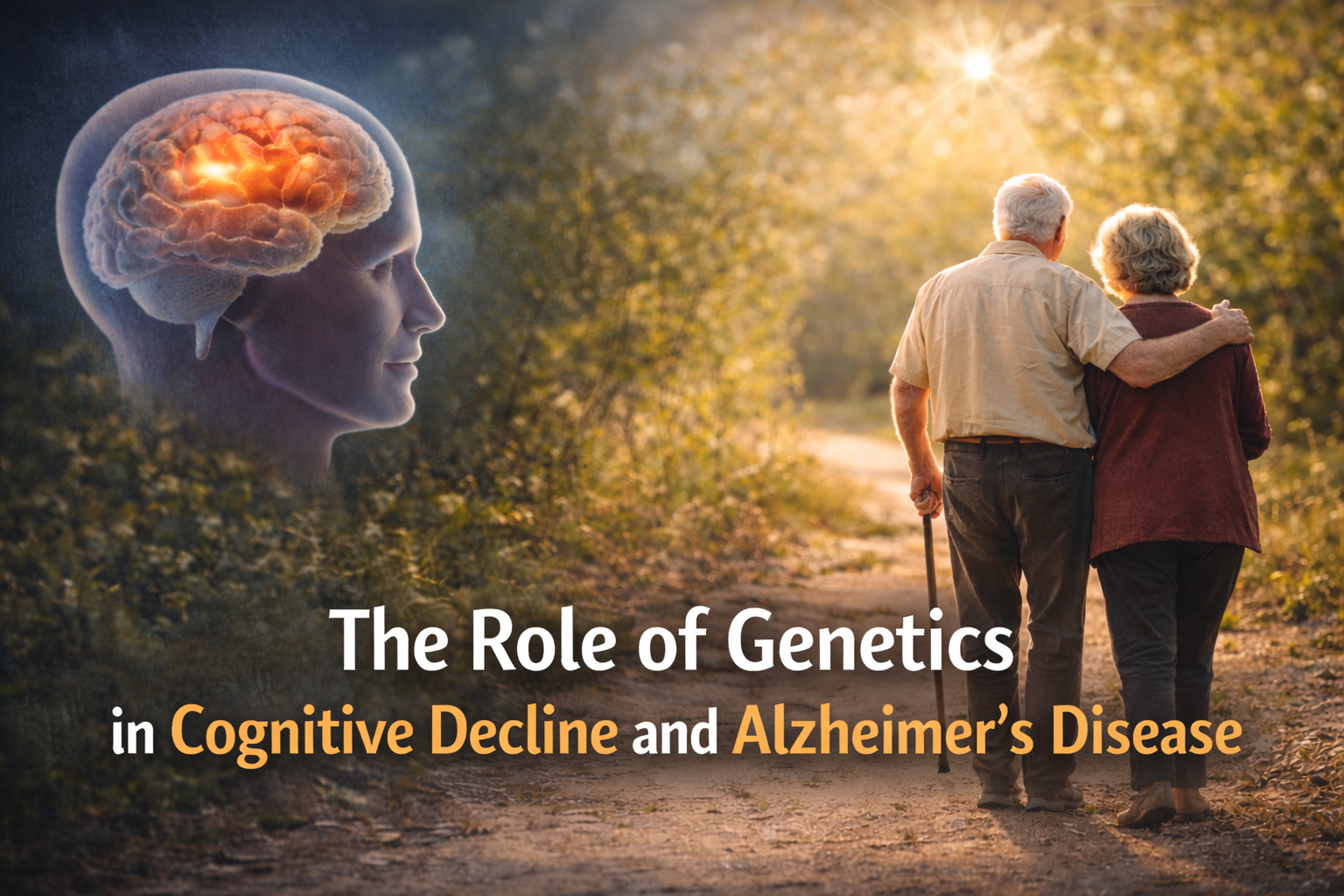
The Role of Genetics in Cognitive Decline and Alzheimer’s Disease (APOE)

The Role of Genetics in Cognitive Decline and Alzheimer’s Disease (APOE)

Cognitive decline and Alzheimer’s disease (AD) are complex conditions influenced by a combination of genetic, environmental and lifestyle factors. Among these, genetic predispositions play a critical role in determining susceptibility, progression and response to interventions. This article explores the connection between genetics and cognitive health, focusing on key genes like Apolipoprotein E (APOE) and others involved in methylation, inflammation, toxicity and neuro (brain) protection.

Read More

Understanding Oxidative Stress: What It Means for Your Health

Understanding Oxidative Stress: What It Means for Your Health

Oxidative stress occurs when there is an imbalance between free radicals (unstable molecules that can damage cells) and antioxidants (molecules that neutralise free radicals) in your body. Free radicals are produced naturally during metabolic processes but environmental factors like pollution, smoking and poor diet can increase their levels. Diminished antioxidant capacity and endogenous factors like high hormone load (stress and reproductive) can also contribute to oxidative stress.

Read More

A Guide To Methylation DNA Genetic Testing

A Guide To Methylation DNA Genetic Testing

Methylation DNA testing is very popular now thanks to world renowned biohackers like Gary Brecka from Ultimate Human and the UK’s own Tim Gray.

There are over 20,000 genes in the human body and with many labs offering methylation DNA testing it can be a daunting choice picking which one to order.

Here are some top tips from our Genetics Team to consider prior to purchasing;

Read More
Joint Health: Causes, Nutrition & Natural Support

Joint Health: Causes, Nutrition & Natural Support

Joint health is essential for mobility, flexibility, and overall physical well-being.

Key Components of Joint Structure

1. Bones:

Joints form where two bones meet. Bones provide structural support …

Read More

Longevity and Science-Backed Supplements

Longevity and Science-Backed Supplements

For biohackers focused on longevity, it’s all about targeting the underlying mechanisms of ageing. From mitochondrial health to reducing inflammation and clearing out senescent cells, supplement strategies can make a significant difference. Here’s a rundown of eight well-researched supplements that can help slow down the ageing process, each supported by scientific evidence. 

Read More

What to Do When Your Weight Loss Plateaus: Working with Your Body, Not Against It

What to Do When Your Weight Loss Plateaus: Working with Your Body, Not Against It

Weight loss plateaus are a natural part of the journey and can be an opportunity to tune into your body’s signals. Instead of obsessing over numbers or calorie restriction, taking a holistic approach that integrates nutrition, hormones, lifestyle and stress management can help you overcome the plateau and achieve lasting results without feeling depleted or discouraged.

Read More

Folinic Acid vs. Methylfolate: Choosing the Right Form of Folate

Folinic Acid vs. Methylfolate: Choosing the Right Form of Folate

Vitamin B9, commonly referred to as folate, comes in many forms, and choosing the right one can make a significant difference in how your body uses it. You’ve likely seen different names on food packaging or supplements, such as folic acid, folate, folinic acid, and 5-MTHF, but they’re not all created equal.

Read More

Nutrient Deficiencies and Mental Health: Are You Missing Key Vitamins?

Nutrient Deficiencies and Mental Health: Are You Missing Key Vitamins?

If you have been experiencing challenges with your mental health, whether it's low mood, poor concentration, memory lapses or lack of motivation, it may be worth examining your nutrient intake. Your brain relies on specific vitamins and minerals to function properly and deficiencies in these key nutrients can significantly impact your mental wellbeing. Optimising your nutrient levels is a foundational step toward supporting better cognitive health and emotional balance.

Read More

Perimenopause - Everything You Need To Know

Perimenopause - Everything You Need To Know

Perimenopause is often a topic that women avoid, partly because we live in a society that doesn’t always support or understand this phase of life and partly because there is a misconception that there is nothing we can do to make this shift more seamless - we have no choice but to buckle up and deal with the hormonal hand we are dealt. It can feel like a confusing, isolating and challenging time, from both a physical and mental perspective. But it doesn’t have to be this way… With the right knowledge, preparation and lifestyle adjustments, you can navigate this transition with more ease, confidence and vitality. If you take anything from this article, it’s that there is so much we can do as women to prepare our bodies and minds for these shifts, empowering us to embrace the changes with greater ease and resilience.

Read More

Why is Vitamin D essential for your health?

Why is Vitamin D essential for your health?

Vitamin D is a crucial nutrient that plays a vital role in maintaining overall health. It is unique because it acts like both a vitamin and a hormone in the body. Here are some key reasons why vitamin D is important:

  • Bone Health: Vitamin D helps the body absorb calcium, which is essential for building and maintaining strong bones. Without sufficient vitamin D, bones can become thin and brittle.

  • Immune Support: It enhances the pathogen-fighting effects of monocytes and macrophages—white blood cells that are important parts of your immune defence—and decreases inflammation.

  • Mood Regulation: Adequate levels of vitamin D are associated with improved mood and mental health. Low levels have been linked to conditions like depression.

  • Muscle Function: Vitamin D contributes to muscle strength, reducing the risk of falls and fractures, especially in older adults.

Read More

Can Probiotics Help Prevent Colds and the Flu?

Can Probiotics Help Prevent Colds and the Flu?

As cold and flu season approaches, many people look for natural ways to support their immune system. One option gaining attention is probiotics, the good bacteria that live in your gut and help keep your body healthy.

But can they really help you fight off seasonal illnesses?

Read More

Fibre-Maxxing: Benefits, Risks & Gut Health

Fibre-Maxxing: Benefits, Risks & Gut Health

Fibre-maxxing is a growing nutrition trend focused on increasing your daily fibre intake often well above the minimum recommended amounts. Many people still fall short of even the minimum recommended fibre intake, so increased awareness around fibre intake is generally a good thing. However, extremes or sudden changes (like massive fibre increases overnight) can backfire, causing bloating, discomfort, constipation or even nutrient absorption issues.

Read More

How to Balance Blood Sugar Naturally

How to Balance Blood Sugar Naturally

Blood sugar balance refers to the regulation of glucose (sugar) levels in the bloodstream to keep them within a healthy range. Proper balance ensures that the body has a stable supply of energy while preventing the detrimental effects of too high or too low blood sugar levels, or fluctuations. Blood sugar dysregulation can impact concentration, moods, energy levels, sleep, metabolic health, cardiovascular health, weight management and more. It can also increase diabetes risk and exacerbate chronic conditions and hormonal imbalances.

Read More

Fat Loss Programmes

The question you should start with when embarking on a fat loss programme is ‘do I want to be thin or do I want to be healthy’? You can’t ‘out train’ a poor diet in the long term so putting your health first and fuelling your body with the nutrients it requires is key.

70% of how we look is based on what we eat and 30% is down to movement and exercise. Both diet and exercise are important for our overall health and well being, but when embarking on a fat loss programme it is vital that food habits change in order to see real lasting change. Extreme regimes of any kind rarely last and are almost impossible to keep up in the long term so healthy balanced meals containing protein, carbohydrates and good fats are essential to lose the fat and keep it off.

When someone has a large amount of weight to lose this balance is of even greater importance as the skin needs the correct nutrition in order to shrink and tighten effectively. Losing weight too quickly by under eating, over exercising or skipping meals can lead to excess skin folds on the body where it has shrunk too quickly. Extreme exercising also puts increased pressure on your adrenal glands and you can end up stressing the body with high cortisol levels that can lead to future health problems.

When deciding to lose weight It is very important to choose a food plan based on real food, as near to nature as you can. If it was made IN a plant DON’T eat it, if it was made FROM a plant then DO! Eating 3 meals per day with 2 small snacks is ideal as this ensures your blood sugar levels do not drop leading to ‘snack’ impulse eating.

Change your eating habits by cutting out processed foods and refined sugars. Start by reading labels and knowing what goes into the food you are eating. Where possible make your meals from scratch but If you are not a cook or are ‘time poor’ then make sure you purchase homemade fresh foods without additives and preservatives added. Watch your salt intake and be mindful of your calorie consumption and make changes today that your body will thank you for, not just this time next year but this time the year after and for many years to come.

Reducing Cholesterol

Do you or someone in your family suffer with high cholesterol? To dramatically lower your LDL cholesterol levels without resorting to high doses of statins I recommend these dietary tips:

·         1. Limit your intake of foods full of saturated fats, trans fats, and dietary cholesterol.

Foods with a lot of saturated fat include butter, fatty flesh like red meat, full-fat dairy products and oils. If you see partially hydrogenated fat in the Ingredient list of a food label, that food has trans fats.

·         2. Eat a lot more fiber-rich foods.

Foods naturally rich in soluble fiber have proven particularly good at lowering cholesterol. Excellent sources include oats, oat bran, barley, peas, and sweet potatoes, as well as legumes or beans, such as pinto beans, black beans and peas. Vegetables & fruits rich in soluble fiber include carrots, brussel sprouts, berries, passion fruit, oranges, pears, apricots, nectarines, and apples.

Buy Prebiotic Fibre Supplement HERE

·         3. Choose protein-rich plant foods (such as legumes or beans, nuts, and seeds) over meat.

They’re full of nutritional riches and are a very healthy, protein-packed alternative to meat. Legumes help lower total cholesterol, LDL cholesterol, blood sugar, and insulin levels, and may even lower cancer risk.

Nuts and seeds have been proven to modestly lower LDL cholesterol levels. To avoid blood pressure raising salt, choose raw unsalted varieties. To avoid gaining weight, don’t eat more than a handful per since nuts and seeds are dense with calories (averaging about 175 calories per ounce).

·         4. Lose excess weight.

Losing excess weight is beneficial for all sorts of reasons including improving your cholesterol levels.

Do keep in mind that it’s important to limit fat intake, even so-called “good” fats like olive oil, because any fat is dense with calories, which means heavy consumption can easily lead to a heavy body.

·         5. Take supplements.

I recommend Sterols which are naturally occurring substances found in plants. A daily intake of 1 to 2 grams of plant sterols has been shown to lower LDL cholesterol levels.

Buy Plant Sterols HERE

Psyllium husks are also great. These seed grains are sold as a soluble fiber supplement and natural laxative.

Recovering From Cancer

When recovering after cancer treatment be prepared for a change in your palate. Bear in mind that your emotional recovery is just as important as your physical so choose foods kind and gentle to your mood, listen to what your body is asking for. Think about including the following;

Avocados - a rich source of antioxidants which attack free radicals and toxins in your body.

Pulses - provide your body with oestrogen like chemicals that may help block tumour regrowth.

Beetroot - for blood related cancers.

Berries - packed with antioxidants and vitamins.

Carrots, kale, eggs, garlic, onions, oily fish, peppers, nuts, seeds, spinach, tomatoes and whole grains