
Hair Loss: Can DNA Testing Help?
/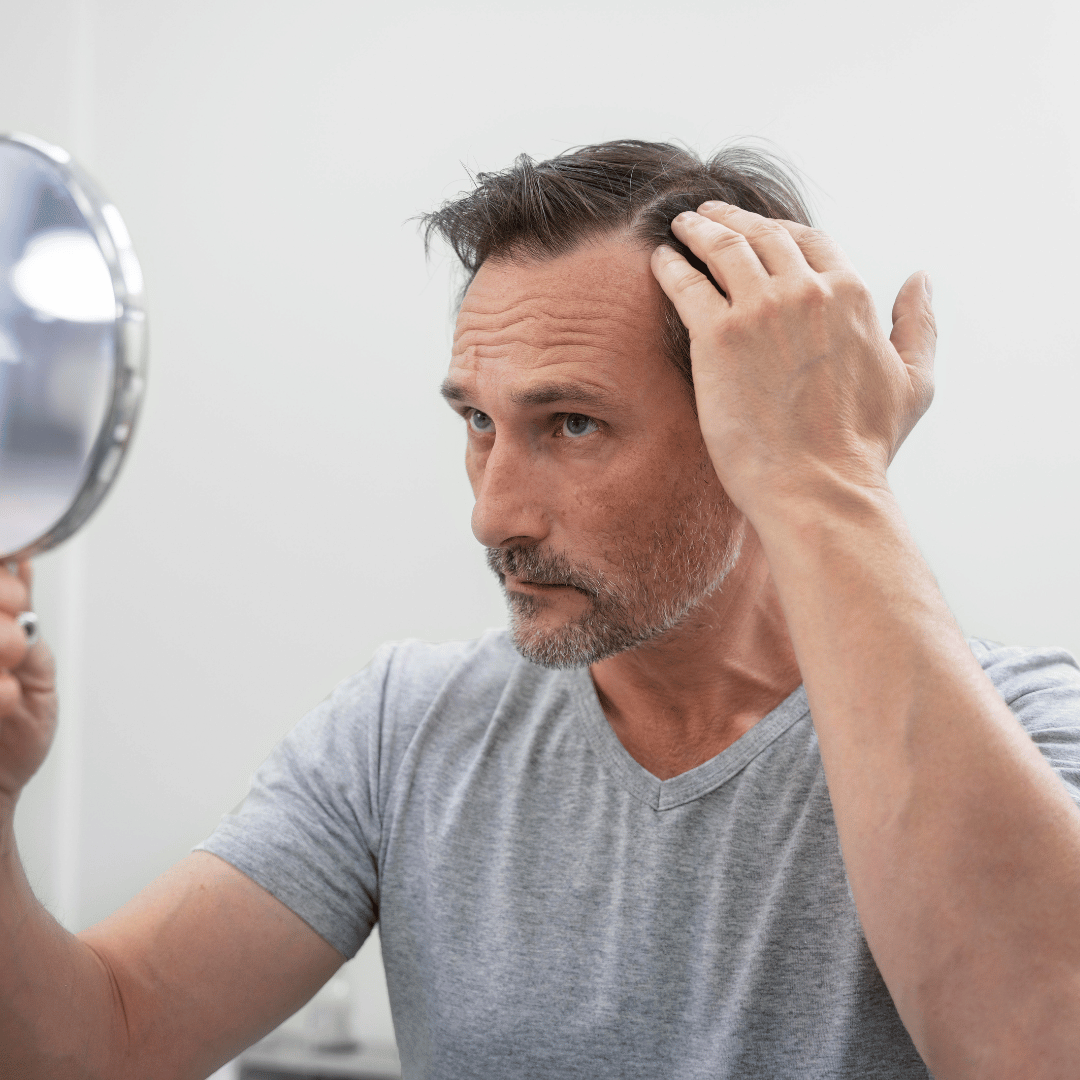
Hair thinning and hair loss can feel frustrating, especially when you’re not sure why it’s happening. Hair health is highly individual, and your genetics can play an important role in how your scalp and follicles respond to hormones, nutrients, and even stress.
DNA trichology looks at specific genetic markers (SNPs) linked to areas such as:
Hair growth patterns
Hormone sensitivity (including DHT)
Inflammation
Nutrient metabolism
Stress response
Because our genes influence how our follicles respond to these factors, testing can provide helpful insight, particularly for those who feel they’ve tried everything.
What Can This Kind of Testing Help With?
In clinic, we often hear questions like:
Is my hair thinning more related to hormones or nutrition?
Could iron or vitamin D deficiency be playing a role?
Would DHT-supporting nutrients be helpful for me?
Could stress affect my hair health?
Genetic insights can help us guide you with diet, supplements, and lifestyle to support you.
Genes That May Influence Hair Health
Your report can help explore genes including:
MTHFR: This gene is linked to methylation - a process involved in cellular repair and hormone balance. Certain variants may influence how your body uses folate which can impact hair growth.
TMPRSS6: This gene plays a role in iron regulation, which can affect hair growth if imbalanced.
20p11 Region: Associated with hair follicle development and pattern hair thinning risk.
AR (Androgen Receptor) & SRD5A2: This is related to how your follicles respond to androgens like DHT.
PTGES2: This gene is involved in inflammation pathways that may influence hair growth.
ADRB2: Linked to the stress response and the production of hormones like adrenaline. Variants may impact blood flow regulation and hair loss.
Nutrients That May Support Healthy Hair
Depending on your results, certain nutrients may be recommended:
Biotin (Vitamin B7): Supports keratin production (the protein that makes up hair). Most beneficial if levels are low.
Zinc & Iron: Important for follicle growth and scalp health. Iron helps deliver oxygen to hair follicles.
Vitamin D: Supports hair follicle cycling and immune balance. Low levels are sometimes associated with thinning.
Omega-3 Fatty Acids: May help nourish follicles and support a healthy scalp environment.
Plant Extracts (such as Saw Palmetto): Sometimes used to support healthy DHT balance in individuals with genetic pattern thinning.
It's important to note that hair thinning can have many contributing factors - hormonal, nutritional, inflammatory, or stress-related. DNA testing can add another helpful layer of understanding.
For many people, having this information can help bring clarity. It can make supplement choices feel more purposeful and lifestyle changes more aligned with their body’s needs.
Further support at Body Fabulous Clinic
If you’re experiencing hair loss or thinning or simply want to strengthen and improve the overall health of your hair, looking at your wellbeing from the inside out can be a helpful and supportive place to start.
Hair Trichology DNA Test: This test analyses genes mentioned in this article which may be tied to hormonal balance, nutrient absorption, inflammation and stress resilience - all key contributors to hair health. Whether you’re experiencing thinning, shedding or slow regrowth, this test provides personalised insight to help you take targeted action for long-term results.
Full Blood Test: To assess for any nutrient deficiencies such as iron, vitamin D, B12 which can impact hair health and growth.
DUTCH Test: This test evaluates hormone markers including androgens such as testosterone and DHT, which are linked to hair loss, as well as oestrogen, progesterone and cortisol imbalances that may contribute to hair shedding.
Book a General Advice Call: Speak with our clinical team who can advise on the right testing to get to the bottom of your hair health concern
Annie Davies
Clinical Nutritionist
Body Fabulous
www.mybodyfabulous.co.uk