
The Organic Acids Test (OAT): A Comprehensive Look at Your Health from Mitochondrial Function to Digestive Health

The Organic Acids Test (OAT): A Comprehensive Look at Your Health from Mitochondrial Function to Digestive Health

The Organic Acids Test (OAT) is an advanced tool that provides a deep dive into your health. It measures metabolites in your urine, which can give valuable insights into various underlying conditions, from gut health to nutritional deficiencies, mitochondrial function and brain chemistry. If you're dealing with unexplained symptoms like chronic fatigue, brain fog, digestive issues or mood imbalances, the OAT could help pinpoint the root causes and underlying imbalances that are often missed by conventional testing and guide personalised treatment options. Here’s a breakdown of why this test might be useful for you.

Read More

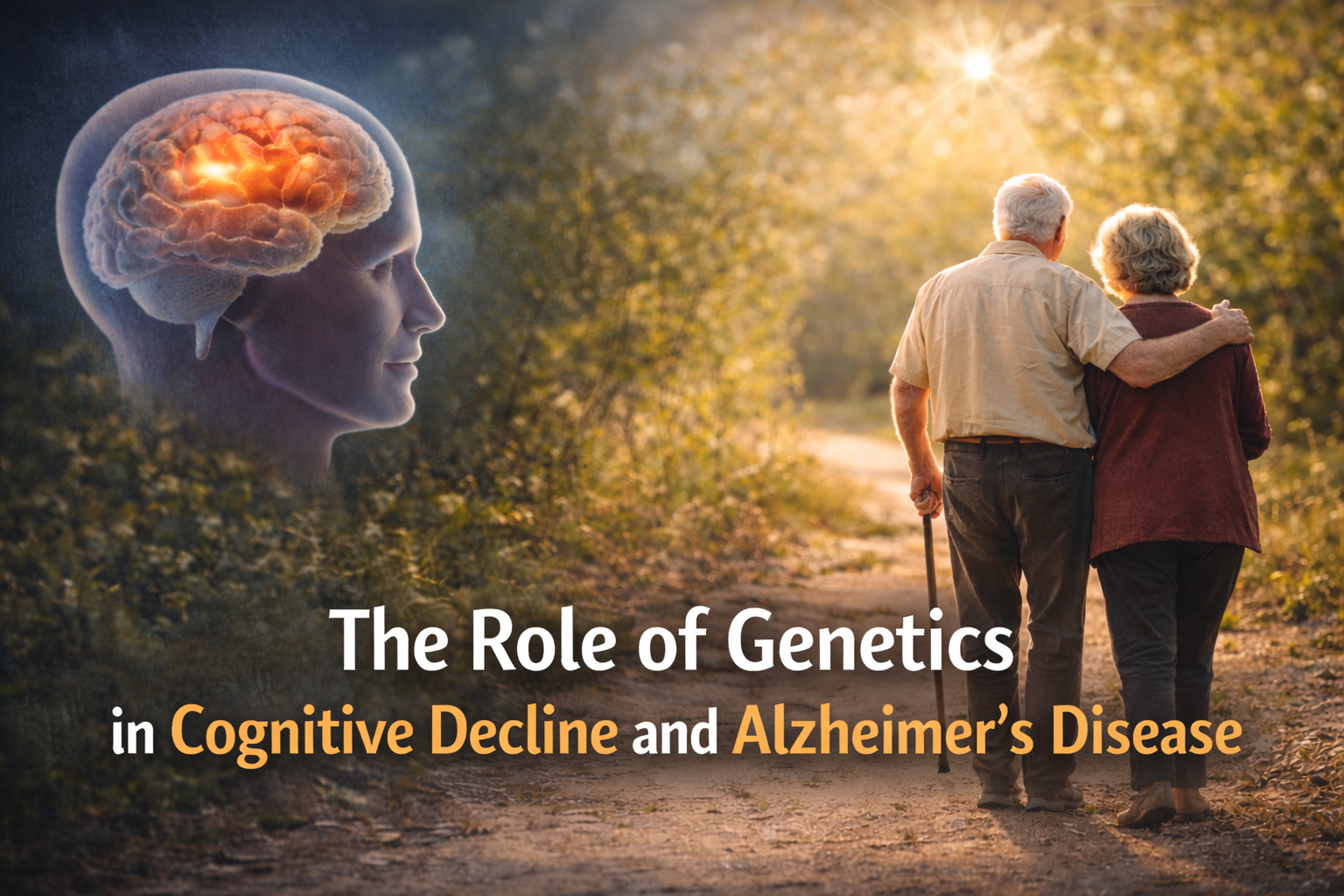
The Role of Genetics in Cognitive Decline and Alzheimer’s Disease (APOE)

The Role of Genetics in Cognitive Decline and Alzheimer’s Disease (APOE)

Cognitive decline and Alzheimer’s disease (AD) are complex conditions influenced by a combination of genetic, environmental and lifestyle factors. Among these, genetic predispositions play a critical role in determining susceptibility, progression and response to interventions. This article explores the connection between genetics and cognitive health, focusing on key genes like Apolipoprotein E (APOE) and others involved in methylation, inflammation, toxicity and neuro (brain) protection.

Read More

Understanding Oxidative Stress: What It Means for Your Health

Understanding Oxidative Stress: What It Means for Your Health

Oxidative stress occurs when there is an imbalance between free radicals (unstable molecules that can damage cells) and antioxidants (molecules that neutralise free radicals) in your body. Free radicals are produced naturally during metabolic processes but environmental factors like pollution, smoking and poor diet can increase their levels. Diminished antioxidant capacity and endogenous factors like high hormone load (stress and reproductive) can also contribute to oxidative stress.

Read More

A Guide To Methylation DNA Genetic Testing

A Guide To Methylation DNA Genetic Testing

Methylation DNA testing is very popular now thanks to world renowned biohackers like Gary Brecka from Ultimate Human and the UK’s own Tim Gray.

There are over 20,000 genes in the human body and with many labs offering methylation DNA testing it can be a daunting choice picking which one to order.

Here are some top tips from our Genetics Team to consider prior to purchasing;

Read More

Longevity and Science-Backed Supplements

Longevity and Science-Backed Supplements

For biohackers focused on longevity, it’s all about targeting the underlying mechanisms of ageing. From mitochondrial health to reducing inflammation and clearing out senescent cells, supplement strategies can make a significant difference. Here’s a rundown of eight well-researched supplements that can help slow down the ageing process, each supported by scientific evidence. 

Read More

Nutrient Deficiencies and Mental Health: Are You Missing Key Vitamins?

Nutrient Deficiencies and Mental Health: Are You Missing Key Vitamins?

If you have been experiencing challenges with your mental health, whether it's low mood, poor concentration, memory lapses or lack of motivation, it may be worth examining your nutrient intake. Your brain relies on specific vitamins and minerals to function properly and deficiencies in these key nutrients can significantly impact your mental wellbeing. Optimising your nutrient levels is a foundational step toward supporting better cognitive health and emotional balance.

Read More

Perimenopause - Everything You Need To Know

Perimenopause - Everything You Need To Know

Perimenopause is often a topic that women avoid, partly because we live in a society that doesn’t always support or understand this phase of life and partly because there is a misconception that there is nothing we can do to make this shift more seamless - we have no choice but to buckle up and deal with the hormonal hand we are dealt. It can feel like a confusing, isolating and challenging time, from both a physical and mental perspective. But it doesn’t have to be this way… With the right knowledge, preparation and lifestyle adjustments, you can navigate this transition with more ease, confidence and vitality. If you take anything from this article, it’s that there is so much we can do as women to prepare our bodies and minds for these shifts, empowering us to embrace the changes with greater ease and resilience.

Read More

What is Mould Illness?

The Body Fabulous Functional Medicine team are specialists in supporting patients clear mycotoxins. Have you been exposed to mould and now feeling unwell? Chronic undiagnosed illnesses can sometimes be tracked back to mould exposure, often found in your own home or workplace. Toxic mould exposure is connected to long-term symptoms such as allergies, histamine issues, fatigue, skin rashes, insomnia, memory loss, trouble concentrating and confusion. Mould illness can be the underlying trigger to depression and anxiety and can even lead to muscle cramps, numbness in extremities, light sensitivity and hair loss. Once you have identified if you have a mould illness it is important to eliminate the mould from your environment and treat yourself to clear the mould from your system with a detoxification protocol.

Buy Mycotoxin Mould Test HERE

Buy EnviroTox Complete Test for Mould, Chemical and Environmental Toxins HERE

Fungi are able to grow on almost any surface, especially if the environment is warm and wet. Inner wall materials of buildings, wall paper, fiber glass insulation, ceiling tiles, and gypsum support are all good surfaces for fungi to colonise. These fungi then release mycotoxins into the environment causing symptoms of many different chronic diseases.

There are thousands of types of mould but we test for toxigenic moulds. As the name implies, these molds produce mycotoxins that can cause serious health effects. The toxic chemicals found in these types of moulds can be absorbed into the body when one inhales them, eats them, or even touches them.

Many people suffering from mould illness struggle to get a proper diagnosis and investigation.

It’s common to think “my house is clean” it can’t be mould. However, mould comes in many forms and some are not visible to the naked eye.

For most people, toxins get flushed out from the body when eliminating waste.

For some though, the toxic load is so high that it’s too much for the body to eliminate them all efficiently. For others, they may have poor detoxification processes or they may even recycle or reabsorb these mycotoxins back, as the body tries to eliminate them. Genetics plays a huge role in this difference from person to person.

For further support on mould illness please email info@mybodyfabulous.co.uk

Beating Brain Fog

Brain-Fog_181002982-1024x686.jpg

Brain fog is a frustrating symptom we all feel from time to time but what happens when it becomes a more frequent problem?

It can leave you feeling confused, struggling to focus or put your thoughts into words, but why does it happen?

The answer is brain fog can actually be a symptom of many things including a nutrient deficiency, sleep disorder, bacterial overgrowth from over consumption of sugar, depression, or even a thyroid condition. Other common brain fog causes include eating too much and too often, inactivity, chronic stress, menopause and a poor diet.

Your brain works hard all day long, so feed it well and you can avoid many of these triggers. Reducing sugar in your diet prevents the highs and lows of a daily blood sugar roller coaster and making sure you drink plenty of water avoids fogginess due to dehydration

If you feel brain fog has become a real problem for you then you should adjust your diet to support your body and brain function. Aim for a diet of roughly 50% healthy fat from nuts, avocados, coconut oil, olive oil, wild salmon, organic eggs, and grass-fed meat.

As well as good fats, leafy greens also offer a plethora of fatigue-fighting benefits. They contain nitrates, which improve blood flow throughout the body and can reduce brain fog.

Most greens (like spinach, kale, and collard greens) contain high levels of vitamin C and some iron, so they can help fight fatigue caused by an iron deficiency — a common cause of tiredness and brain fog.

As well as changing your diet, try including regular exercise, reducing alcohol intake and working on good quality sleep. There are many different supplements that can be useful for treating brain fog but as a general rule choose a supplement with a high concentration of DHA (docosahexaenoic acid). Of all the omega-3s, DHA is the most beneficial for your brain.

If you have tried everything above and you are still struggling then it’s time to get some help. Blood testing for nutritional deficiencies and hormonal imbalances is recommended if the brain fog has been there more than 6 months. Time to ditch the fog and live life to the full again!